In recent years, manga us has transitioned from a niche interest to a significant pillar of American pop culture. As manga continues to gain popularity, it fosters a unique cultural exchange, bridging Japanese storytelling with American audiences' diverse tastes. This phenomenon isn't just about comic books; it’s about a cultural movement that influences fashion, language, art, and social dynamics in the United States.
The Rise of Manga in the U.S.: A Cultural Phenomenon
The rise of manga US can be traced back to the late 20th century when major publishers first began importing Japanese manga into the United States. Initially, these titles were viewed as exotic and niche, typically appealing to dedicated fans of Japanese culture. However, a combination of innovative storytelling, captivating artwork, and the growing influence of anime adaptation turned manga into a mainstream cultural phenomenon. Today, manga regularly tops best-seller lists and is ingrained in American youth culture, shaping everything from fashion trends to social media discourse.
This shift also reflects broader societal changes, such as increased globalization and the proliferation of digital media. Americans are more open than ever to diverse narratives and artistic styles, which has profoundly fueled the growth of manga US. Through a deep understanding and appreciation of Japanese storytelling traditions, American readers are not only consuming manga but actively participating in a transnational cultural dialogue that continuously influences their perceptions of storytelling, art, and identity.
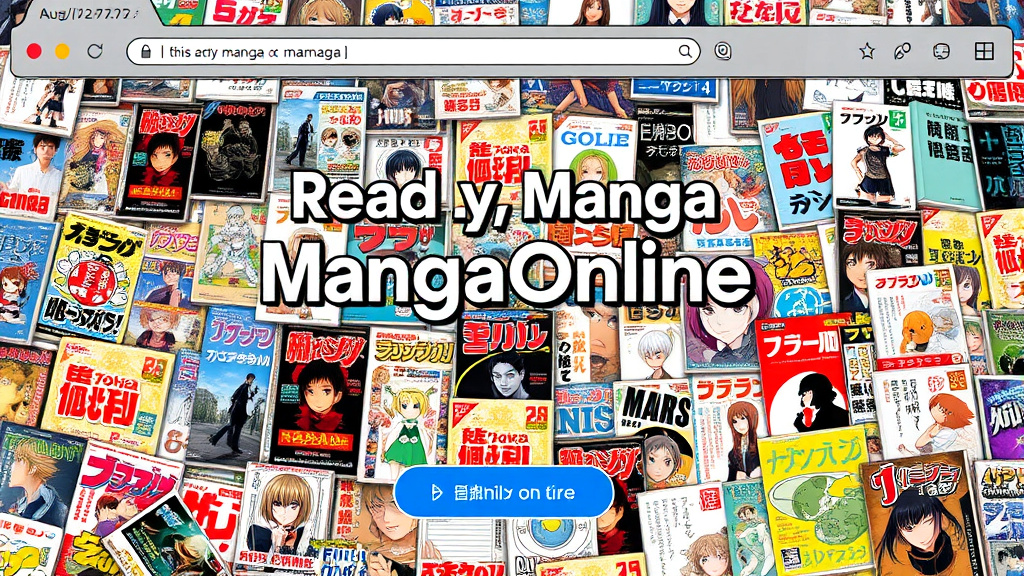 Hình minh họa: ok manga – manga us
Understanding the Appeal: Why Manga Resonates with American Readers
Manga US resonates with American audiences for its unique ability to blend universal themes with distinctly Japanese stylistic elements. At its core, manga often explores complex characters, moral dilemmas, and emotional depth—qualities appreciated by a broad spectrum of readers. Its storytelling prowess allows for serialized narrative arcs that develop slowly, fostering intense emotional investment over time, which contrasts with the typically shorter format of Western comics.
Moreover, manga’s visual style, characterized by expressive characters, dynamic action, and intricate backgrounds, appeals to visual learners and art enthusiasts alike. The availability of diverse genres—from romantic dramas and psychological thrillers to science fiction and horror—ensures that there’s something for everyone. This inclusivity and adaptability foster a sense of community among American fans, enabling them to find their niche and form passionate connections with the medium. Enthusiasm for manga US also stems from its ability to challenge cultural perceptions and introduce new perspectives, thus enriching the American cultural landscape.
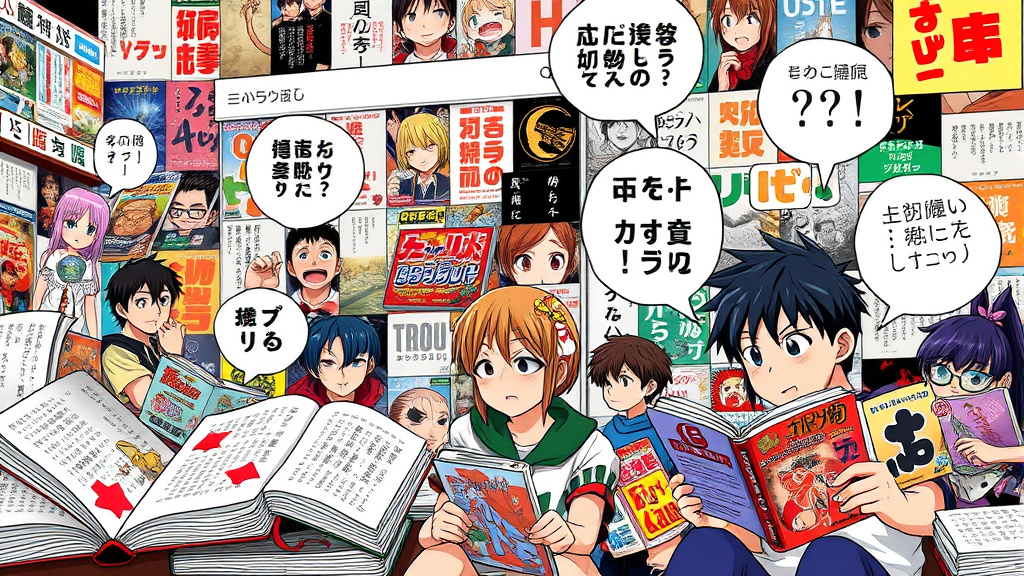
From Akira to Attack on Titan: Key Manga Series That Shaped the U.S. Market
Certain manga series have played pivotal roles in shaping the U.S. market and expanding its cultural reach. Katsuhiro Otomo’s Akira remains a cornerstone for its groundbreaking artwork and dystopian themes that resonated with American science fiction fans. Its influence extended beyond comics, inspiring influential filmmakers and artists across the globe. Likewise, Attack on Titan by Hajime Isayama revolutionized the genre with its intense storytelling, complex characters, and exploration of themes like war, freedom, and survival, captivating U.S. audiences and mainstream media alike.
Other vital series, such as Naruto, One Piece, and Dragon Ball, helped mainstream manga in the West through licensing deals, anime adaptations, and merchandise. These stories not only introduced new storytelling tropes but also fostered a fandom that grew rapidly over the past two decades. Their success exemplifies how manga US has been shaped by influential narratives that combine cultural specificity with universal appeal, ultimately broadening the scope of what American readers expect from their comic and graphic novel experiences.
The Impact of Translation and Localization on Manga's U.S. Success
The translation and localization process has been instrumental in the success of manga US. Translators and localizers face the challenge of bridging cultural gaps while maintaining the integrity of the original narrative and artistic style. Skillfully localized manga can retain Japanese nuances, idioms, and humor, making the stories accessible and relatable for American readers. Conversely, poor localization can hinder a series’ popularity by creating disconnects or misrepresenting cultural context.
Over time, localization efforts have become more sophisticated, with publishers balancing faithfulness to the original with cultural adaptation. This process often involves adjustments in language, dialogue, and even cultural references. The evolution of localization has contributed significantly to manga’s acceptance and popularity in the U.S., making nuanced stories more approachable and engaging. It also enables fans to develop a deeper understanding of Japanese culture, fostering cross-cultural appreciation that strengthens the global appeal of manga US.
Manga vs. Comics: Exploring the Differences and Similarities
While manga US shares similarities with traditional American comics, notable differences set them apart in both style and narrative approach. Western comics, historically rooted in superhero lore, tend to emphasize standalone stories and grandeur, often reflecting American societal values and historical contexts. Manga, on the other hand, favors serialized storytelling, character development, and thematic richness, frequently exploring darker or more introspective themes.
Despite these differences, both mediums serve as a powerful means of storytelling and artistic expression. They share common ground in their use of sequential art and narrative flow to engage readers emotionally. The cultural exchange facilitated by manga has also influenced American comics, inspiring more diversity in storytelling and artistry within the Western comic industry. Recognizing the similarities and differences enhances appreciation for how each medium reflects and influences their respective cultures while contributing to a broader understanding of visual storytelling.
The U.S. Manga Publishing Industry: Trends, Challenges, and Opportunities
The manga US publishing landscape is dynamic, characterized by rapid growth, digital innovation, and shifting consumer preferences. Major publishers like Viz Media, Kodansha, and Yen Press focus on acquiring popular titles, translating them, and distributing both print and digital formats. The rise of digital manga platforms has made access more affordable and convenient, encouraging a younger, tech-savvy demographic to engage with manga in new ways.
However, the industry also faces challenges such as copyright infringement, localization costs, and the need for diversification of genres to appeal to wider audiences. As the market matures, publishers are increasingly exploring opportunities in indie manga, webcomics, and international collaborations. Embracing technological advancements, including AI-assisted translation and augmented reality, offers promising avenues for growth. Navigating these challenges and opportunities will determine the future trajectory of manga US, enabling it to expand further into mainstream entertainment.
The Influence of Manga on American Art and Popular Culture
Manga’s influence extends far beyond comic book stores and online platforms, permeating American art and popular culture. Its visual aesthetics—character expressions, panel layouts, and stylistic conventions—influence everything from fashion to music videos, inspiring a new generation of artists and designers. Manga-inspired art styles are increasingly visible in street fashion, tattoos, and graphic design, demonstrating its pervasive cultural footprint.
Popular media also reflects manga’s impact, with American filmmakers, television creators, and video game developers integrating manga-inspired themes, visual motifs, and narrative structures into their work. This crossover enriches American entertainment while introducing manga to new audiences. Social media platforms amplify this influence, enabling fans to share art, cosplays, and fan fiction, creating a vibrant transnational community. In essence, manga US acts as a catalyst for cultural hybridity, fostering creativity and dialogue across artistic boundaries.
The Digital Manga Revolution: Online Platforms and the Future of Reading
The advent of digital platforms has revolutionized how manga US is consumed and produced. Subscription services like Shonen Jump, Webtoon, and Crunchyroll Manga have democratized access, allowing fans to read a vast library of titles instantly and affordably. This convenience, coupled with the rise of smartphones and tablets, means that manga is more accessible than ever, increasing its reach among younger generations who prefer digital media.
Looking ahead, the future of manga US appears to be intertwined with technological innovation. Augmented reality (AR) and virtual reality (VR) could offer immersive manga experiences, enhancing storytelling through interactive visuals. AI-driven translation tools are likely to make manga more accessible across linguistic barriers, fostering an even more global fanbase. As digital consumption continues to grow, traditional print manga will coexist with innovative formats, ensuring a vibrant and evolving reading landscape.
Cosplay and Conventions: The Vibrant U.S. Manga Fan Community
Manga cosplay and conventions exemplify the passion and creativity of the U.S. manga fan community. Cosplayers bring manga characters to life through intricate costumes, makeup, and performance, often showcasing their work at large conventions like Anime Expo, Otakon, and New York Comic Con. These gatherings serve as spaces for fans to connect, celebrate shared interests, and showcase their artistry, fostering a sense of community that transcends geographic boundaries.
Conventions also provide opportunities for industry networking, panel discussions, and release events, reinforcing manga’s cultural significance in the U.S.. The vibrant cosplay community is a testament to how manga US has cultivated a space for expression, identity, and cultural exchange. As fandoms grow, they continue to influence mainstream pop culture, leading to collaborations with fashion brands, music, and film, expanding manga's reach even further.
Beyond Entertainment: Exploring the Educational and Social Value of Manga in the U.S.
Manga’s educational value is increasingly recognized, with many educators using it to teach language, cultural awareness, and art. Its engaging format makes it an effective tool for language learners, particularly for Japanese language classes, by providing contextualized vocabulary and cultural insights. Additionally, manga often tackles relevant social issues such as mental health, discrimination, and identity, offering a platform for dialogue and understanding.
From a social perspective, manga US helps foster inclusivity by depicting diverse characters and perspectives. It encourages empathy and curiosity, especially among young readers navigating their identities and values. The medium’s capacity to entertain while educating makes it a powerful cultural artifact that promotes dialogue, understanding, and social cohesion, ultimately enriching American society's cultural fabric.
Conclusion
Manga US has evolved into a compelling cultural phenomenon that influences art, entertainment, education, and social interactions across America. Its unique blend of storytelling styles, vibrant visual aesthetics, and thematic depth appeals to diverse audiences and fosters cross-cultural dialogues. As technological advancements and community engagement continue to propel manga’s growth, it promises a future where Japanese storytelling seamlessly integrates into American daily life, expanding cultural horizons for generations to come. This ongoing revolution underscores manga’s significance not just as entertainment but as a catalyst for global cultural exchange, fostering understanding and creativity across borders.